It feels like almost every conversation about technology right now starts with artificial intelligence (AI).
And understandably so. For not-for-profits (NFPs), the potential is enormous – from reducing administration and making better use of data to freeing up more time and resources to focus on communities.
But there's a fundamental conversation we need to have before it. We can't race towards transformative uses of AI while skipping the digital foundations underneath them. And cyber security is one of those foundations.
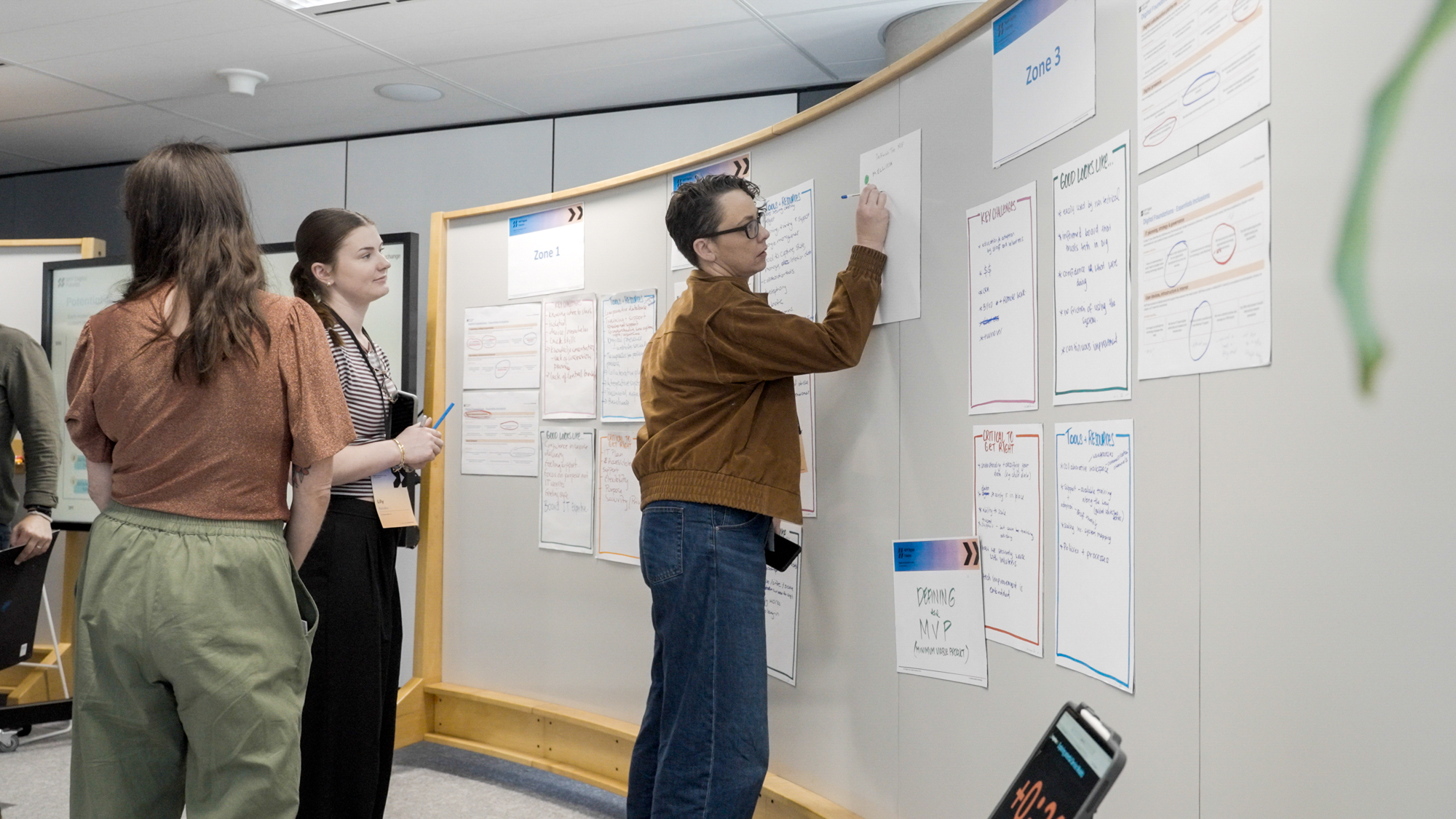
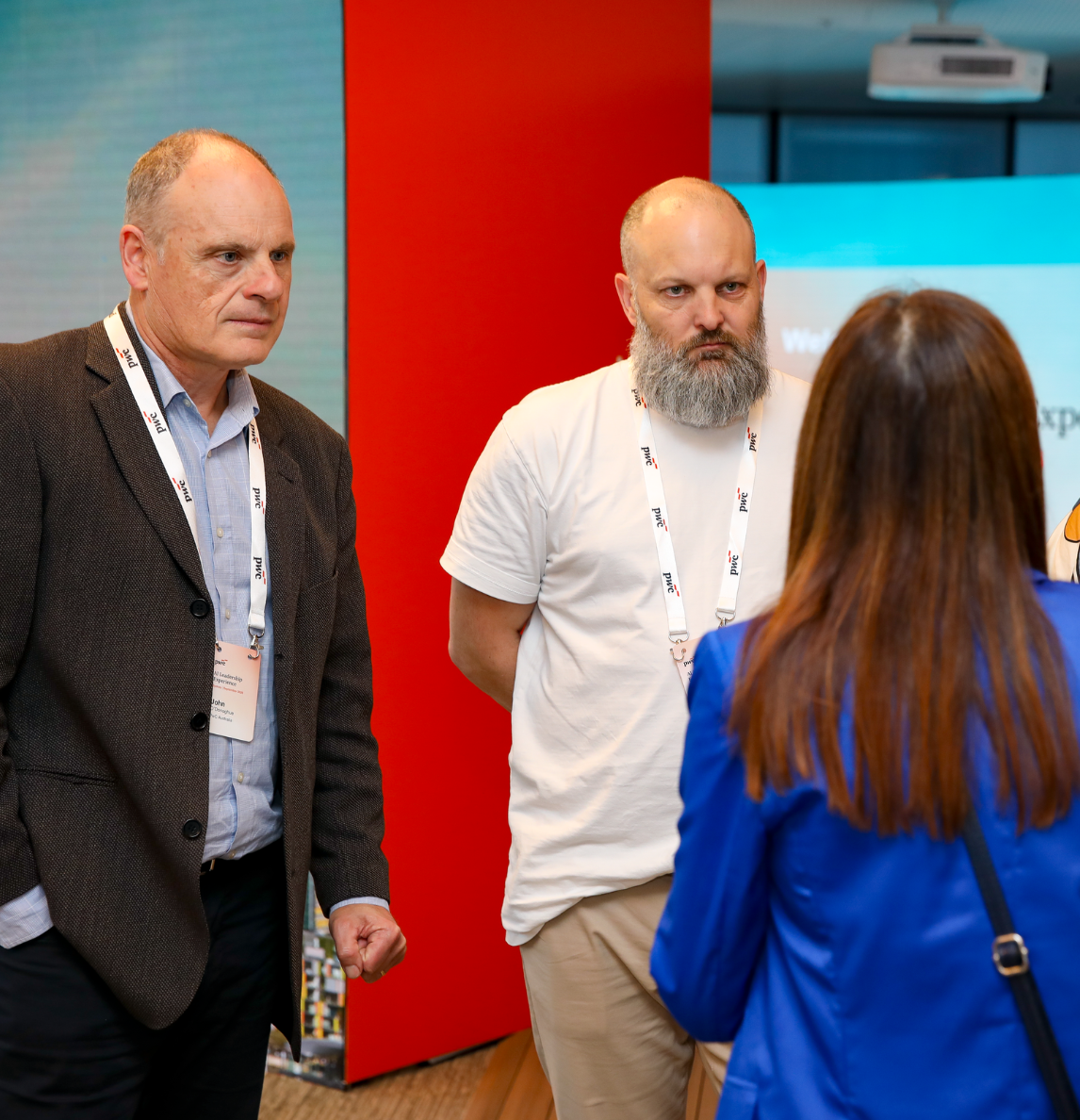
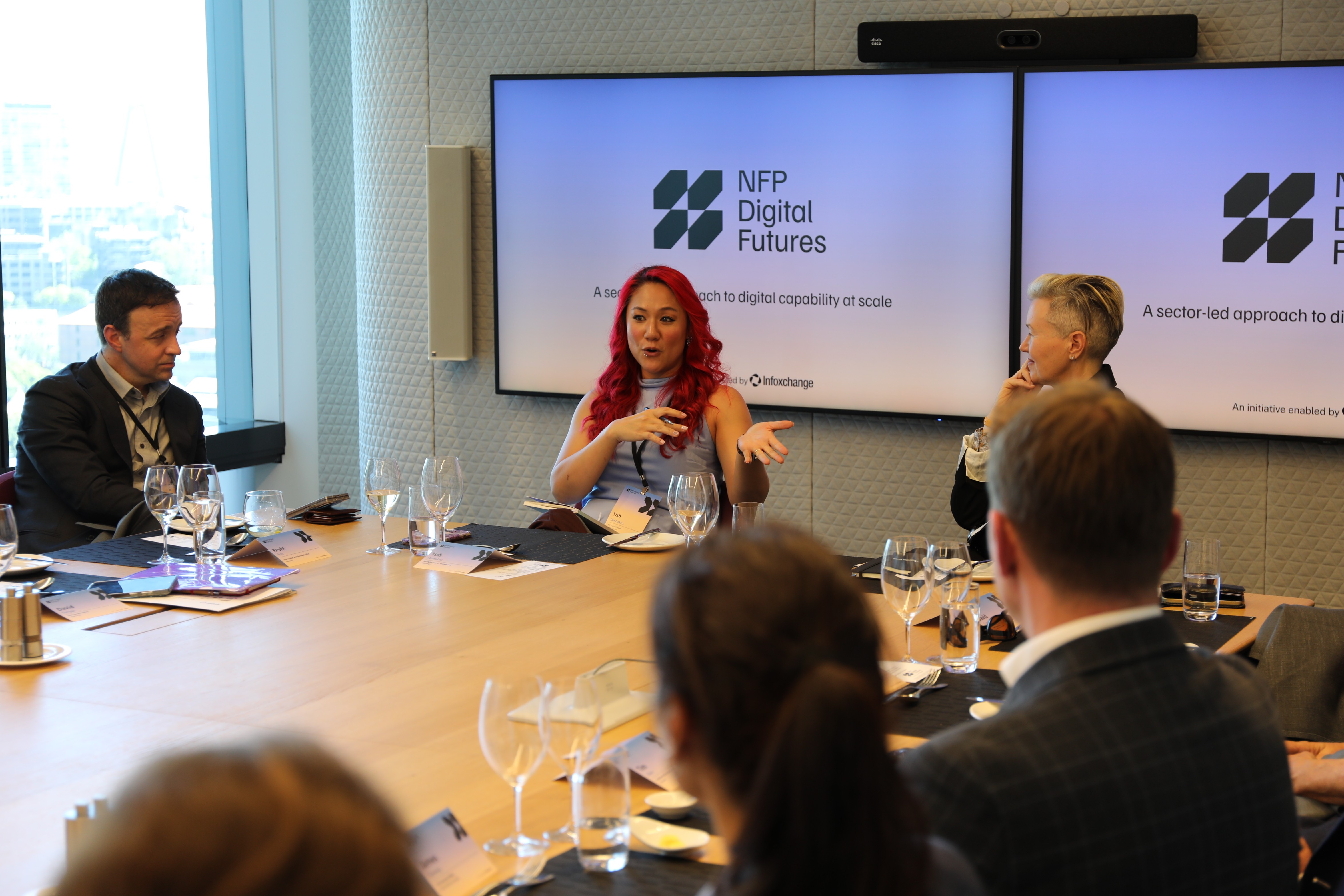
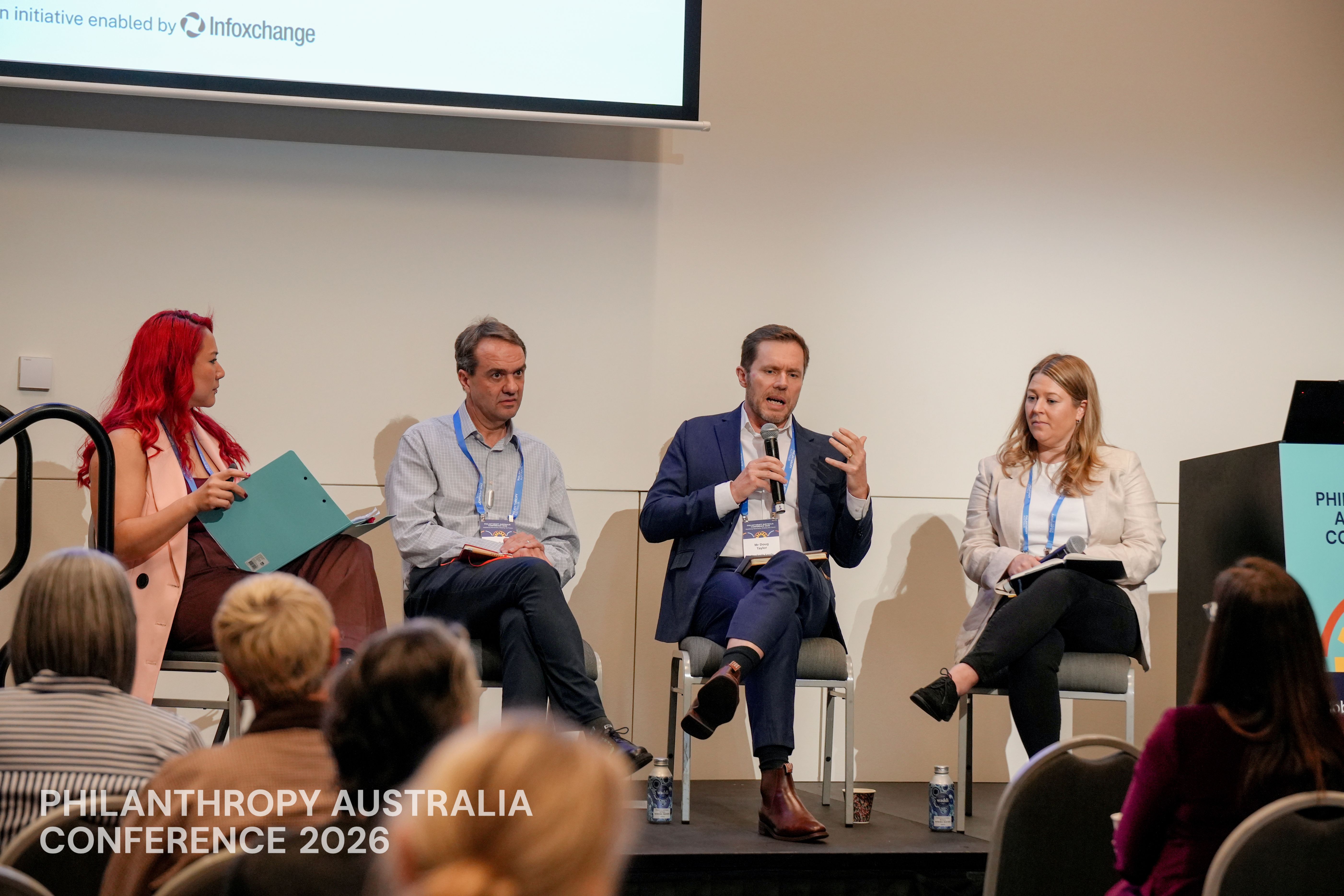
Over recent weeks, we've been working directly with NFPs across Australia through our first national co-design workshops as part of NFP Digital Futures – an initiative that brings together not-for-profits, philanthropy, technology partners and government to build the digital capability our sector needs, collectively and at scale. These workshops allow us to listen to what organisations need to strengthen their digital foundations.
One message has come through clearly: organisations don't necessarily need more information about technology. They need practical support to understand what good looks like, where to start and how to build confidence with the resources they have.
And while AI may be dominating the conversation, we can't leapfrog the foundations needed to use it effectively. Strong systems, good data, digital skills and cyber security are all essential to making the most of emerging technologies.
This isn't about slowing innovation down. Quite the opposite. If we want NFPs of every size to benefit from AI and emerging technology, we need to make sure organisations have the foundations to adopt it safely and confidently.
Our ambition isn't simply to help organisations adopt more technology. It's to ensure no not-for-profit is left behind because it lacks the resources, expertise or support to use that technology safely.
For Australia's NFP sector, technology is now central to service delivery — underpinning how organisations manage information, support staff and volunteers, communicate with their constituents and innovate to work more effectively.
Cyber security is a critical part of that challenge – as digital capability grows, so does cyber risk – and it's a challenge no single organisation can solve alone.
Infoxchange's 2025 Digital Technology in the Not-for-Profit Sector Report shows there is still a significant capability gap. Only 23% of organisations have a documented cyber security plan, with progress stagnating. At the same time, our research found AI adoption had doubled, yet only 14% of NFPs had an AI policy or governance framework.
The Australian Signals Directorate received more than 84,700 cybercrime reports in 2024–25, around one every 6 minutes (ASD Cyber Threat Report 2024–25). For a small NFP, a serious cyber incident can have consequences well beyond the financial cost. It can interrupt services, compromise sensitive information and damage trust with communities.
That gap matters.
AI and other digital tools can create enormous value, from reducing administration to helping organisations analyse information and improve service delivery. But greater digital capability should not mean greater unmanaged risk.
We need to be able to do both: embrace the opportunities technology creates while building the foundations that allow us to use it safely.
As capability scales, safety needs to scale with it.
And importantly, getting started doesn't mean becoming a cyber security expert.
From farming to phishing: growing sustainable cyber security
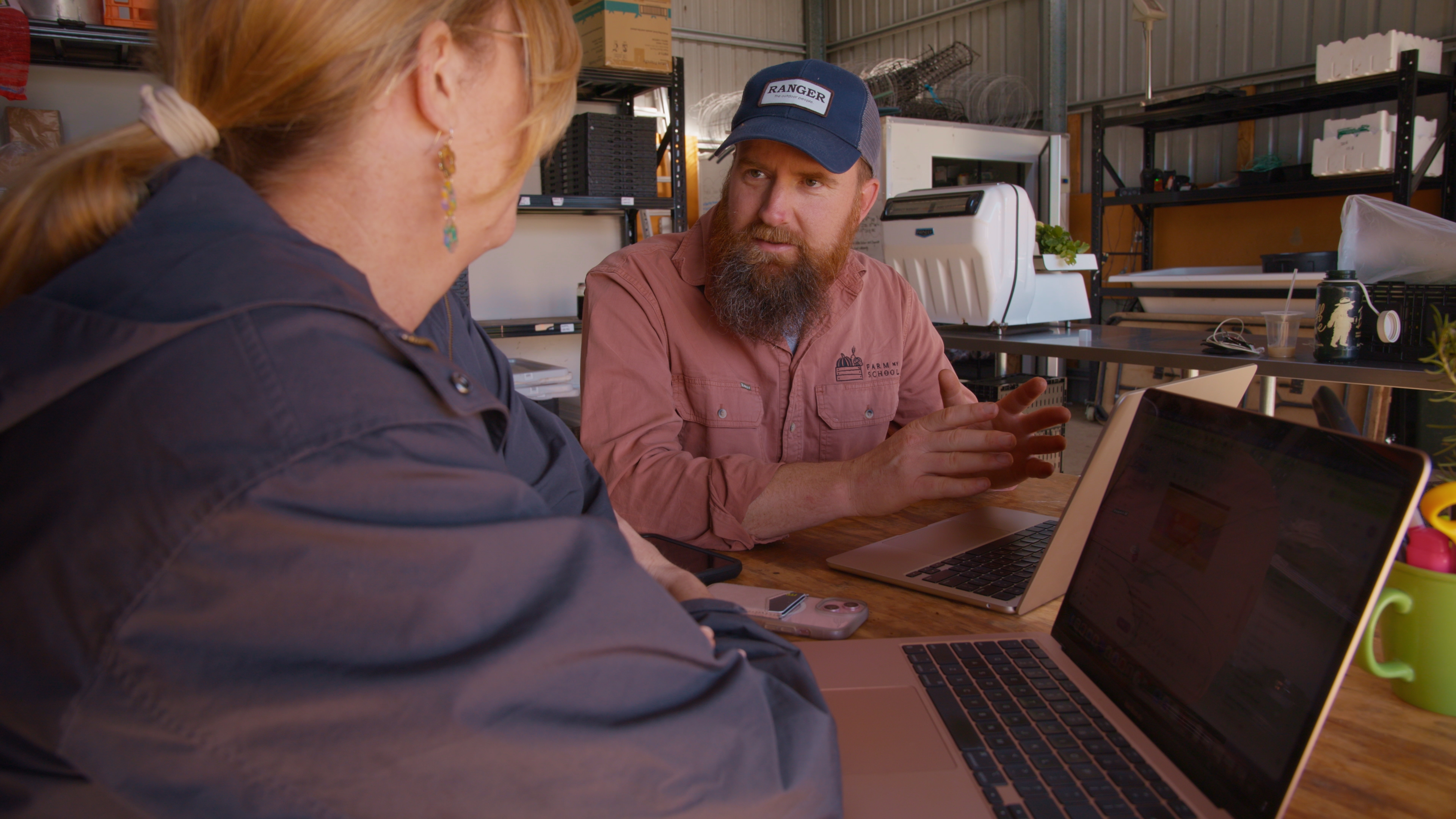
Farm My School transforms underutilised school land into regenerative farms and learning spaces. As the organisation has grown, technology has become increasingly important to its operations. CEO James McLennan described a challenge familiar to many small NFPs:
"We're a small organisation, meaning each role needs to wear multiple hats. I specialise in regenerative farming, but as we've scaled, I've realised that also means specialising in digital infrastructure, technology adoption and cyber security management."
James McLennan, CEO, Farm My School
Working together through Infoxchange's cyber mentoring program, Farm My School identified gaps and prioritised practical protections, particularly securing staff devices and establishing reliable backups.
James said:
"Cyber mentoring and training helped us understand where our biggest risks were, prioritise what needed attention and work through practical options that made sense for an organisation of our size. It gave us a much clearer pathway forward without expecting our team to suddenly become cyber security experts."
James McLennan, CEO, Farm My School
Practical takeaways for Cyber Security Awareness Month
Cyber Security Awareness Month is an opportunity to understand where you are today, and the training and resources provided by the Digital Transformation Hub are a great place to start.
First steps include checking what protections are already in place, and where your biggest risks might be.
For example, on the topic of AI, staff and volunteers may already be experimenting with ChatGPT, Copilot or other AI tools, sometimes without the organisation realising it. This becomes a risk when sensitive client, staff or organisational information is entered into these tools without clear guidance.
An AI asset register is a simple but invaluable governance solution that records which AI tools are being used, by whom, for what purpose and what information they may process.
But technology controls alone aren't enough. Staff and volunteers also need accessible training to recognise scams, protect sensitive information and know what to do when something goes wrong.
You don't have to tackle everything at once. Start by understanding where you are today and where your biggest risks might be.
Cyber Security Awareness Month checklist
- Review your cyber security or information security policies – find our end user policy template.
- Enable multi-factor authentication and use strong, unique passwords.
- Keep software, devices and security tools up to date.
- Maintain reliable backups and test that they can be restored.
- Create an AI asset register to understand which tools are being used and what information they're handling.
- Provide accessible cyber security and scam awareness training for staff and volunteers.
- Assess your biggest risks and prioritise the areas that need attention first.
Visit the Digital Transformation Hub for more resources.
Building a stronger digital future, together
If there is one message I'd leave NFP leaders with this Cyber Security Awareness Month, it is this: just get started.
You don't need to become a cyber expert overnight, and you don't need to solve everything at once. Work out where you are, tackle the biggest risks first and use the support that's already available. There are tools, resources and people who can help. No NFP should feel like it has to figure this out alone.
This is an important lesson we discussed throughout our co-design sessions, and one of the reasons we established NFP Digital Futures: to build a sector-led approach to strengthening digital capability across Australia's not-for-profit sector.
The ambition is bigger than any one cyber program. We want NFPs of every size to have the foundations, skills and confidence to use technology safely and effectively and to make practical support easier to access, reuse and scale. Cyber security is a critical part of that foundation.
As AI and digital services become more embedded in everyday operations, every organisation will need a stronger baseline of digital and cyber capability. Building that capability at scale will require shared resources, accessible training, trusted advice and sustained investment.
The goal should be a sector where organisations of every size know what good digital practice looks like, understand their biggest risks and have the confidence and support to act on them.
Because the digital future we want for Australia's NFP sector isn't just more innovative. It's one where every organisation has the confidence and foundations to participate safely.